In Japan, dining is not just about the food—it’s about the atmosphere, tradition, and subtle cultural cues that guide you to an unforgettable experience. Two iconic symbols that embody this are the chōchin lanterns and noren curtains, found at many restaurants and eateries across the country. These elements are more than mere decoration; they are steeped in history and serve as an invitation into the world of Japanese cuisine.
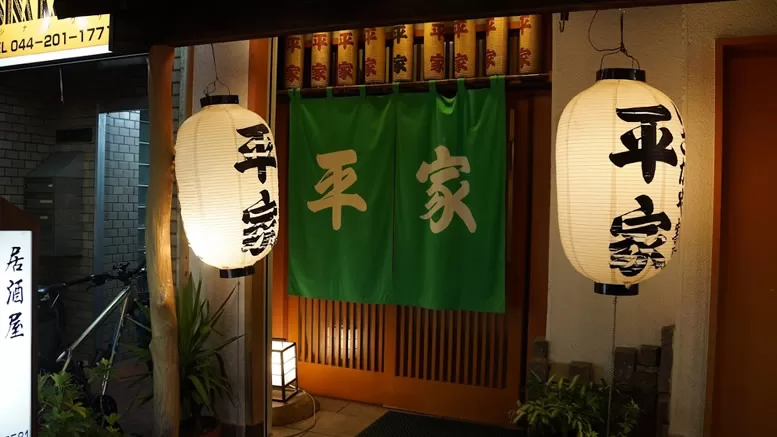
The origins of the chōchin lantern date back to the Muromachi period (1336–1573), when these collapsible paper or silk lanterns were first created. Traditionally made by wrapping washi paper or fabric around a bamboo frame, they were used for both practical and decorative purposes. Today, these lanterns are a common sight outside restaurants, izakayas, and street food stalls, their warm glow beckoning diners inside. Often painted in bold red or white and adorned with kanji characters, they convey the restaurant’s specialty, such as ramen, yakitori, or sake.
Noren curtains, on the other hand, originated as functional textiles, used to block out dust, wind, or rain at shop entrances. These rectangular cloths are typically split down the middle for easy passage and often bear the name or logo of the establishment, showcasing the owner’s pride in their craft. Beyond their practicality, noren serve as a visual signal: the owner of the establishment will put up the noren at the start of trade and remove it from the shopfront when the restaurant is closed.
Together, chōchin and noren set the tone for the dining experience. A dimly lit lantern swaying gently in the evening breeze and a fluttering curtain at the entrance create an air of mystery and anticipation. They also reflect the personality of the establishment, whether it’s a lively izakaya, a cosy noodle shop, or an elegant kaiseki restaurant.
Tourists often find these elements enchanting, as they provide a tangible connection to Japanese culture and aesthetics. The lanterns’ soft light creates a warm, inviting atmosphere, while the noren curtains lend an air of exclusivity and tradition. Many restaurants use English or illustrations on their signage, making it easier for international visitors to identify what’s being served.
The timeless appeal of chōchin and noren lies in their blend of form and function, tradition and modernity. While these elements may have originated centuries ago, they remain vital in shaping Japan’s dining culture, offering locals and travellers alike a glimpse into the soul of Japanese hospitality.