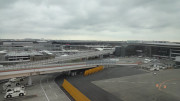
Haneda, officially known as Tokyo International Airport, was Tokyo’s first airport and for many years primarily handled domestic flights, with only limited international services. Since 2010, the number of international flights has steadily increased, but the majority of overseas traffic to Tokyo still arrives via Narita International Airport, located approximately 90 km north-east of central Tokyo.
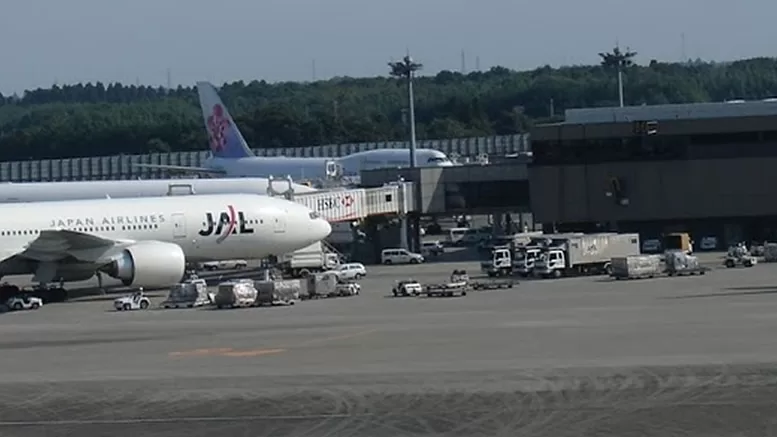
Haneda is located in Ōta Ward, not far from the Tokyo city centre, and is Japan’s busiest airport, handling over 60 million passengers annually—mostly domestic, though international numbers have been growing since 2010. For several years, Haneda was ranked as the 4th busiest airport in the world, though in recent times it has dropped to 12th due to the rapid expansion of several major Chinese airports.
The airport first opened in 1931 as a modest airfield with a small runway along the Tokyo Bay waterfront. In 1945, following Japan’s surrender in World War II, the United States military took control and renamed it Haneda Army Air Base. Commercial international flights began operating in 1947, and Japan Airlines (JAL) started domestic services in 1951. In 1952, part of the airport was returned to Japanese control and it was renamed Tokyo International Airport. By 1958, the entire base had been converted for civilian use.
In preparation for the 1964 Tokyo Olympic Games, the Tokyo Monorail was constructed to link Haneda with the city centre. The monorail still operates today, taking just 19 minutes to reach Hamamatsuchō Station, where passengers can transfer to the JR Yamanote Line. Due to space constraints, Haneda could no longer handle the growing volume of international flights, prompting the opening of Narita International Airport in 1978.
Haneda today consists of three terminals:
- Terminal 1, often referred to as Big Bird, opened in 1993 to replace the original terminal. It serves JAL, Skymark, and StarFlyer, and features six levels of shopping, dining, and a large rooftop observation deck popular with visitors.
- Terminal 2 serves ANA, Air Do, and Skynet Asia Airways, and is the second domestic terminal.
- The International Terminal, opened in 2010, enabled Haneda to accommodate more global flights. Along with a new fourth runway, the terminal now welcomes flights from across Asia, North America, Australia, France, and the United Kingdom, helping to ease congestion at Narita while servicing many low-cost carriers.
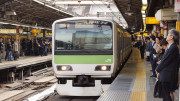
In terms of ground access, Haneda is very well connected. While buses are available, they can be delayed by Tokyo traffic, so rail is often the more efficient option. The Keikyu Airport Line runs to Shinagawa Station in just over 20 minutes, offering an easy connection to the JR Yamanote Line. There are also direct rail services to Yokohama (around 30 minutes), and connections to Narita Airport via the Keisei Line and Keikyu network, taking approximately two hours.
See also:
Tokyo Airport Lounge Guide: Narita & Haneda
Japan Arrival: Early Morning Options
Narita International Airport
Official site:
http://www.tokyo-airport-bldg.co.jp/fl/english/